The Addictions Academy

Become A Nationally Certified Fitness & Wellness Coach (NCFWC)

Internationally Accredited no prior-experience required Fast-Track Online Certification

A complete whole-person coaching certification for professionals who want to help clients in recovery rebuild physical strength, daily structure, and lasting wellness habits.

Format
Self-Paced Online
Continuing Education
20 Credit Hours Available
Includes
Manuals & Exam Fees

program overview

The Most Comprehensive Fitness & Wellness Recovery Coach Training Available

Traditional fitness programs often focus almost entirely on workouts, calories, weight loss, or physical performance. Those things may matter, but they are only one part of the picture.

For clients in recovery, progress is also shaped by sleep, stress, food patterns, cravings, emotional triggers, environment, support systems, self-trust, and the daily choices that happen outside the gym.

That is why this training is built around a whole-person coaching model.

Students learn how addiction and compulsive behaviors can affect the body, including energy, digestion, appetite, sleep, strength, brain health, and overall well-being. They also learn why recovery requires more than simply quitting a substance or behavior.

— Core Competencies

What You Will Be Equipped To Do

By the end of the training, students have a clear model for supporting clients beyond the workout. They learn how to help clients rebuild strength, stability, confidence, structure, self-trust, and healthier daily patterns in a way that supports long-term recovery. The goal is not to push clients harder. The goal is to help them build a life, body, and routine they do not need to escape from.

01

Coach the Whole-Person Recovery Fitness Model

  • Understand how addiction and recovery can affect the body, energy, sleep, appetite, strength, and overall wellness
  • Learn why recovery fitness coaching goes beyond workouts and includes the “other 23 hours”
  • Support clients through the complete model: sleep, food, stress, movement, environment, standards, accountability, and support
  • Define the role, scope, boundaries, and communication style of a Fitness & Wellness Recovery Coach
02

Build Standards, Identity, and Behavior Change

  • Teach clients why motivation fades and why consistency must be built through repeatable standards
  • Help clients create personal standards around sleep, food, movement, stress, and accountability
  • Coach clients through fear, failure, excuses, avoidance, and all-or-nothing thinking without shame
  • Support ownership, resilience, self-trust, and sustainable lifestyle change
03

Assess Movement, Readiness, and Starting Point

  • Evaluate a client’s movement ability, comfort level, limitations, pain concerns, and current capacity
  • Understand basic movement patterns including squat, hinge, push, pull, carry, brace, rotate, and walk
  • Use safe regressions and progressions to meet clients where they are without overwhelming them
  • Recognize when movement concerns, chronic pain, injury, or medical symptoms require referral
04

Program Strength and Movement for Recovery Clients

  • Introduce strength training in a way that feels simple, safe, and non-intimidating
  • Use walking, bodyweight movement, mobility, carries, and real-life strength principles as starting points
  • Apply AMRAP-style programming to create simple, measurable, repeatable workouts
  • Use Chris Holt’s four-week progression model to help clients learn, baseline, improve, and earn progression
05

Coach Nutrition, Cravings, and Food Patterns

  • Teach food as fuel, coping tool, and behavioral pattern without using shame-based food language
  • Explain hydration, cravings, protein, carbohydrates, fats, balanced meals, labels, and ingredient lists simply
  • Use neutral language such as on plan, off plan, favorable, and unfavorable instead of good, bad, cheat, or diet
  • Discuss supplements from a food-first perspective, including protein, creatine, fish oil, electrolytes, caffeine, and referral boundaries
06

Apply Check-Ins, Accountability, and Long-Term Support

  • Build weekly check-ins that go beyond the scale and track energy, sleep, cravings, digestion, stress, mood, wins, photos, and clothes fit
  • Assess stress, sleep, lifestyle, environment, triggers, and support systems that affect client progress
  • Create realistic accountability systems with office hours, check-in windows, communication expectations, and coach availability
  • Help clients maintain progress with long-term success plans, return protocols, warning signs, and support maps

— career outcomes —

What You Can Do As A Certified Fitness & Wellness Recovery Coach

01

Work Directly With Clients in Recovery

Support clients who are rebuilding their health, strength, confidence, structure, and self-trust after addiction, compulsive behaviors, or long-term unhealthy coping patterns.

02

Integrate Into Treatment & Recovery Environments

Bring fitness, wellness, nutrition awareness, movement, stress regulation, and accountability tools into residential, outpatient, sober living, community, or recovery-based settings.

03

Build a Private Recovery Fitness Coaching Practice

Offer one-on-one coaching, group programs, online coaching, or wellness support for clients who need more than a workout plan and want a whole-person approach to recovery fitness.

04

Expand Your Role in Existing Client Work

Apply these tools within your current work as a recovery coach, addiction professional, mental health provider, life coach, case manager, sober companion, wellness coach, or personal trainer.

05

Support Clients Beyond the Workout

Learn how to help clients with the “other 23 hours” including sleep, food patterns, stress, cravings, environment, accountability, standards, and long-term lifestyle change.

06

Earn 20 CEU Credits Toward Your Professional Credentials

This program includes 20 Continuing Education Units (CEUs) that may be applied toward your ongoing requirements as a coach, counselor, recovery professional, or helping professional.

Join 60,000+ Student Success Stories & Counting...

Become part of a global network of coaches and professionals trained in over 40 countries and get everything you need to build a purpose-driven practice, help others heal, and create a profitable business

Wooded Glen Recovery Center, IL

“I think the training went great. You provided a lot of good information that we need.”

Julia Mackey
Director of Admissions

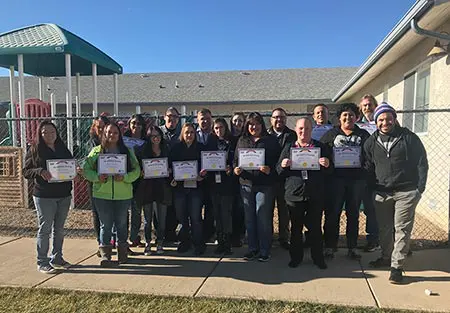
Sierra Tucson, Arizona

“Dr. Cali Estes joins Sierra Tucson to train their entire Recovery Coach 360 Team.”
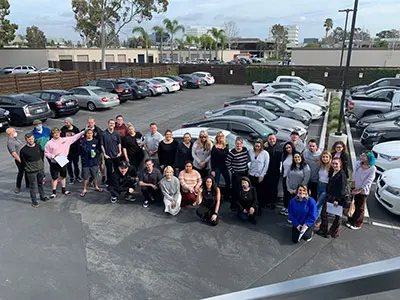
Crossroads Turning Point, Colorado

“Amazing training on Harm Reduction and relapse prevention. Cannot wait to have you back next month to teach another class.”
Rob Archuletta
Executive Director
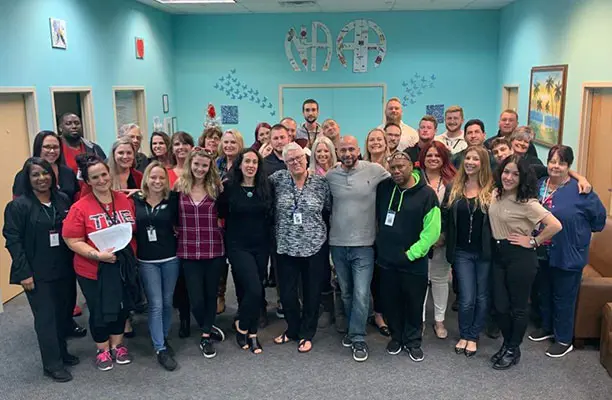
Wynward Way, OC California

“Very pleased to have Dr. Cali come out and train our staff in AMA/APA block training.”
Veronica Waters
Vice President
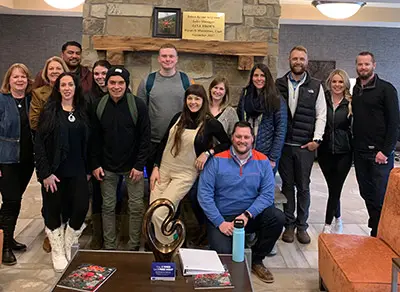
Just Believe Recovery, PA & Florida

“Dr Cali Estes was a joy to have at our center. We received a lot of amazing feedback from our staff and loved the breakout sessions”
Sinead
Clinical Director
Aqua Recovery Center, Utah

“Dr. Cali has given us the ability to create a new program in Recovery Coaching. This has given us the ability to keep track of our patients while at RTC, and also when they leave. We have seen great success with this program.”
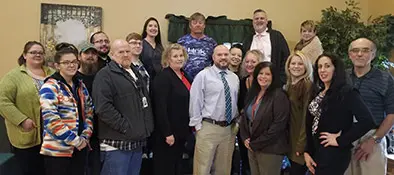
Clint Tolman
Executive Director
St. Joseph's Institute, PA

“We have learned a lot at this training, I am glad you came out and we found you for our staff. You are doing a great job.”
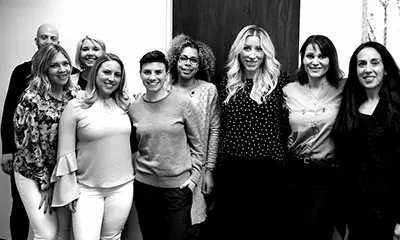
Guy Murray
CEO St. Joseph’s Institute
New Vista Behavioral Health, Avalon Malibu

“Excellent Admissions Call center training with Cali”
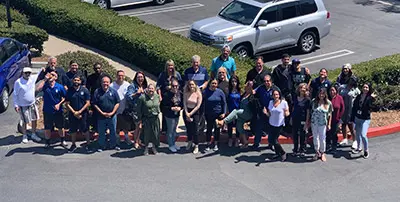
Christine Parker
Marketing Director
Ocean Hills Recovery, California

“Amazing class! We have had Cali out here a few times for training our staff.”
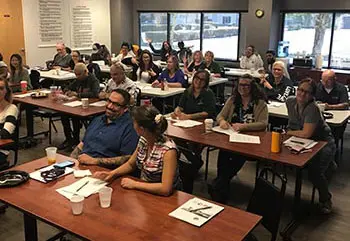
Chris Cannon
Managing Partner
Vanguard Accelerator
Cedar Point Recovery, CA

“Thank you, Dr. Estes. The staff found your training educational and allows them the opportunity to empower themselves with clients.”

Jody M. Ressio
MA, LAADC, Clinical Director
Lakeview Health, Jacksonville, FL

“The training was comprehensive and easy to follow for some employees not as versed in the field of interventions. I would highly recommend Cali and The Addictions Academy to anyone looking to join or excel in the field of Addictions.”

Derek Gwaltney
Vice President
Gosnold on Cape Cod, MA

“Cali Got great feedback about today’s training. Much appreciated.”

Ray Tamasi
CEO

Meet Your Instructor:

Chris Holt

Meet Your Instructor: Chris Holt

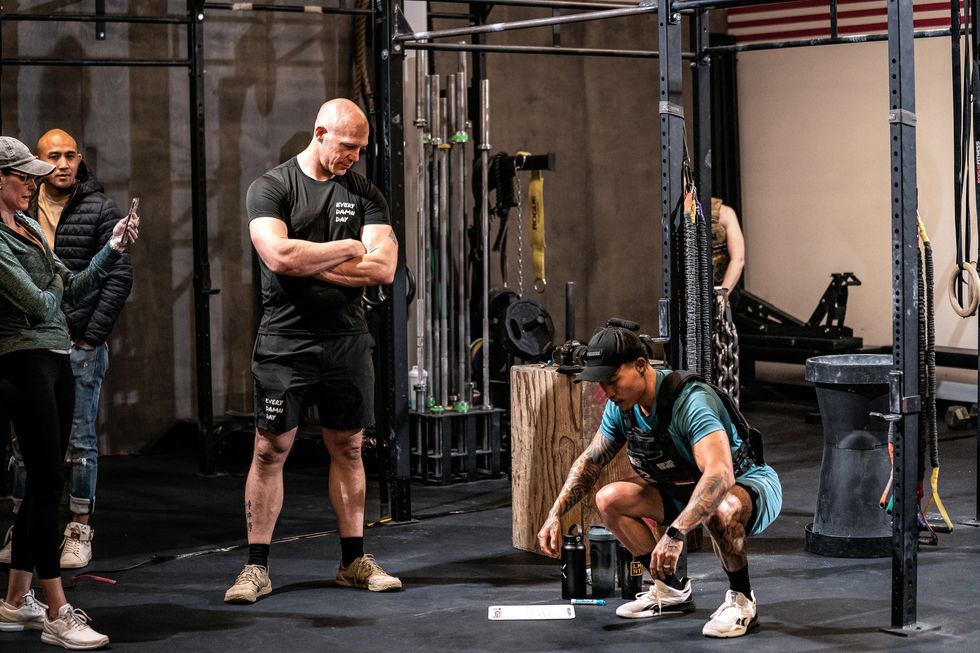
Chris Holt brings more than 18 years of experience helping people build stronger bodies, healthier habits, and more resilient mindsets. After graduating from the University of Miami School of Architecture in 2006, Chris began his career in architecture before making a major pivot into health, fitness, and human performance. He went on to open the second CrossFit affiliate in Miami, which he owned and operated for 10 years. During that time, Chris quickly learned that real transformation does not happen inside the gym alone. While movement and exercise matter, he became deeply focused on what his members were doing outside of training especially their nutrition, stress management, mindset, and daily standards. His work and impact have been featured in the CrossFit Journal, and his commitment to pushing physical and mental limits was later highlighted by Men’s Health after completing a Double Murph challenge. Chris believes that everything is connected: how we train, how we eat, how we handle stress, how we recover, and how we show up when life gets hard. His coaching approach is built around helping people create higher personal standards, build confidence through challenge, and develop the resilience needed to face obstacles both big and small. He leads by example, practices what he teaches, and believes that while change does not happen overnight, it is absolutely possible when you are willing to do the hard work.
Here’s Exactly What You’ll Get When You Enroll

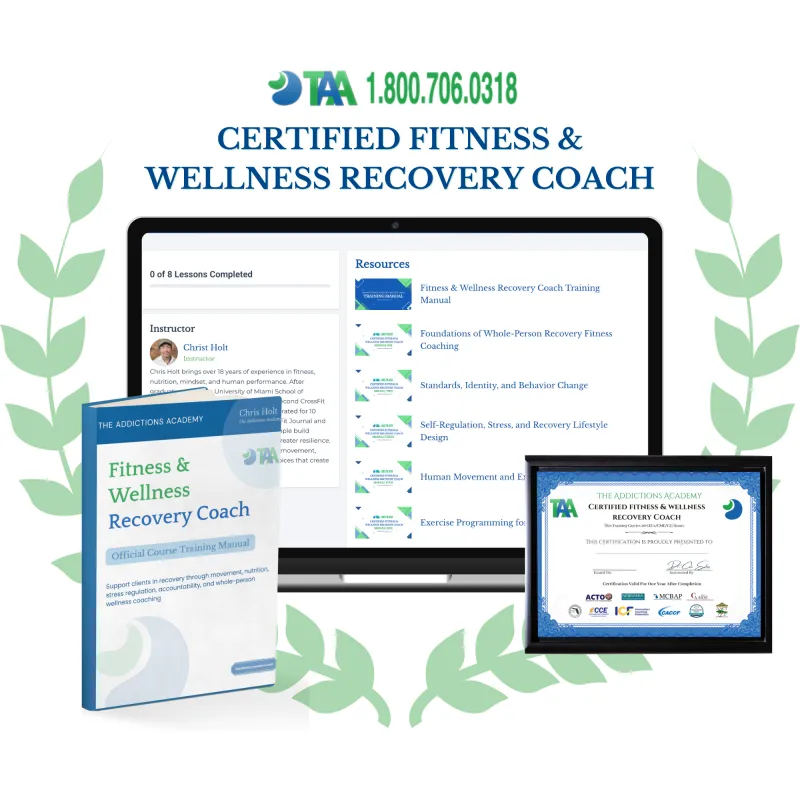
Nationally Certified Fitness & Wellness Recovery Coach (NCFWC) - Counts Towards 26 CEU/CME/CE/Hrs

01
The Whole-Person Fitness & Wellness Recovery Coaching Model
Addiction, the body, coping patterns, the other 23 hours, role clarity, and recovery-aware communication
How Addiction Affects the Body
Addiction, Avoidance, and Coping Habits
Why Recovery Is More Than Just Quitting
Fitness as a Healthy Outlet
The Other 23 Hours
The Role of the Fitness & Wellness Recovery Coach
Recovery Language and Client Communication
This module introduces the foundation of Fitness & Wellness Recovery Coaching. Students learn how addiction can affect energy, sleep, appetite, digestion, strength, brain health, and overall wellness; how substances, food, and compulsive behaviors can become coping tools; and why recovery requires more than quitting.
02
Standards, Identity, and Behavior Change
Why motivation fades, how standards are built, and how clients rebuild consistency, ownership, and self-trust
Why Most Fitness Programs Fail
Habits vs Standards
Motivation vs Discipline vs Consistency
The Relationship With Fear and Failure
Personal Responsibility and Ownership
Accountability That Supports Change
Building Client Agency and Self-Trust
Returning to Baseline Faster
Sustainable Lifestyle Change
This module teaches students how to coach lasting behavior change without relying on shame, pressure, or short-term motivation. The focus is on consistency, self-trust, resilience, and sustainable lifestyle change.
03
Shame, Body Image, and Self-Worth in Recovery Fitness
Body neutrality, shame spirals, non-shaming coaching language, and confidence built through action
Understanding Shame in Fitness and Recovery
Body Image and the Recovery Client
Body Neutrality Before Body Positivity
Separating Body Composition From Self-Worth
Language That Reduces Shame
Confidence Through Consistent Action
Coaching Clients Through Setbacks Without Identity Collapse
This module focuses on the emotional side of fitness coaching. Students learn how shame, body image distress, comparison, and self-worth issues can affect client follow-through.
04
Human Movement and Exercise Fundamentals
Movement safety, major muscle groups, mobility, walking, real-life strength, and foundational movement patterns
Movement Basics for Recovery Coaches
Major Muscle Groups Made Simple
Mobility, Flexibility, and Full Range of Motion
Real-Life Strength and Functional Movement
Walking as the Best Starting Point
Foundational Movement Patterns
This module gives students the movement knowledge they need to support clients safely, including movement quality, regressions, progressions, pain awareness, walking, and real-life strength.
05
Strength Training and Workout Programming for Recovery Clients
Simple strength training, AMRAP-style workouts, recovery capacity, progression, and avoiding burnout
Strength Training Fundamentals
Choosing Safe Starting Points
Low-Barrier Movement and Bodyweight Training
AMRAP-Style Programming
Pacing, Rest, and Quality Over Speed
Adjusting Workouts for Recovery Capacity
The Four-Week Workout Progression Model
Tracking Progress Without Obsession
Avoiding Burnout, Injury, and Punishment-Based Training
This module teaches students how to build simple, safe, effective workouts without overwhelming recovery clients, including AMRAP-style programming and Chris Holt’s four-week progression model.
06
Nutrition and Supplementation for Recovery and Wellness
Food as fuel, hydration, cravings, macros, food language, ingredient labels, supplements, and referral boundaries
Food as Fuel, Coping Tool, and Pattern
Water, Hydration, and Recovery
Cravings, Sugar, and Emotional Eating
Building Balanced Meals Without Overcomplication
Protein, Carbs, and Fats Made Simple
Food Language: On Plan, Off Plan, Favorable, and Unfavorable
Reading Labels and Ingredient Lists
Food First: Recovery Nutrition vs Supplementation
Protein Powder and Practical Support
Creatine Monohydrate and Recovery Performance
Fish Oil, Electrolytes, and Foundational Support
Caffeine, Energy Drinks, and Anxiety
Fat Burners, Hormones, Peptides, and Scope of Practice
This module teaches nutrition and supplementation through a practical recovery lens, including food patterns, hydration, cravings, label reading, and food-first supplement conversations.
07
Applying the Whole-Person Recovery Coaching Framework
Readiness assessment, movement assessment, food behavior, lifestyle, triggers, check-ins, and long-term success planning
Recovery and Readiness Assessment
Fitness and Movement Assessment
Nutrition and Food Behavior Assessment
Stress, Sleep, and Lifestyle Assessment
Environment and Trigger Assessment
Goal Setting: What Do You Want?
Weekly Check-Ins That Go Beyond the Scale
Accountability Systems and Coach Availability
Long-Term Success Planning
This module shows students how to apply the complete framework with real clients through readiness assessments, weekly check-ins, accountability systems, communication expectations, and long-term success planning.
Bonus Workbook Included With Enrollment

Recovery Coach Workbook
& Client Exercise Companion

A practical 54-page companion resource designed to help coaches bring recovery concepts into real client conversations. This workbook includes hands-on exercises, reflection prompts, planning tools, behavior trackers, recovery worksheets, and real-world client activities that can be used during coaching sessions or assigned between sessions.

Section 01
Self-Awareness & Personal Reflection
Helping clients understand who they are, where they have been, and what they are working toward.
  • Positive and Negative Traits
  • Personal Timeline
  • Bucket List
  • Hero Exercise
  • “If I Were” Reflection
  • Impact Exercise: Family, Friends, and Community
Section 02
Stress, Mood & Emotional Awareness
Tools for identifying stress signals, emotional patterns, and healthier ways to shift state.
  • Personal Stress Scale
  • Life Change Index Scale
  • Anger Log
  • Insomnia Due to Anxiety Exercise
  • Shift Your Mood
  • Music and Emotional Response Exercise
Section 03
Recovery Processing & Relapse Awareness
Exercises that help clients examine addiction patterns, relapse risk, and recovery motivation.
  • Goodbye Letter to Your Addiction
  • Letter to Your Family
  • Obituary Exercise
  • Drug Abuse Questionnaire
  • Replay the Relapse
  • One Thing Leads to Another: Feeling, Thought, Action
Section 04
Daily Structure & Action Planning
Practical tools for helping clients create structure, follow-through, and measurable next steps.
  • Daily Planner
  • Action Plan: 1-Month Goals
  • Action Plan: 3-Month Goals
  • Action Plan: 9-Month Goals
  • Readiness for Change Assessment
  • Roadmap Exercise
Section 05
Self-Esteem, Gratitude & Confidence
Client-facing exercises for rebuilding self-worth, confidence, gratitude, and personal care.
  • My Gratitude List
  • Random Acts of Kindness
  • Treat Yourself Better Exercise
  • Confidence Building Exercise
  • Self-Esteem Calendar
  • Legacy Letter
Section 06
Food, Movement & Wellness Support
Simple wellness tools that connect mood, food, movement, and recovery-supportive routines.
  • 10 Ways to Boost Serotonin Levels
  • Exercise Routines
  • Food/Mood Journal
  • Wheel of Life
  • The Life Map
  • Design Your Life
Section 07
Relationships, Boundaries & Support Systems
Worksheets for helping clients identify relationship patterns, toxic influences, and healthier boundaries.
  • Circle of Influence
  • Boundary Setting Worksheet
  • Past Relationship Exercise
  • Family Letter
  • Identifying Toxic Relationships
  • Creating Healthier Support Systems
54 Pages
Hands-On Recovery
& Coaching Exercises

Includes practical worksheets for self-awareness, stress, gratitude, relapse prevention, action planning, food and mood tracking, boundaries, life mapping, triggers, recovery goals, and future vision work.

Recovery requires more than quitting. It requires rebuilding. This program teaches you how to help clients build strength, stability, confidence, and healthier daily patterns without relying on extreme workouts, rigid dieting, or shame-based motivation.
From the NCFWC Curriculum  ·  Chapter One

— Self-Paced Online Certification —

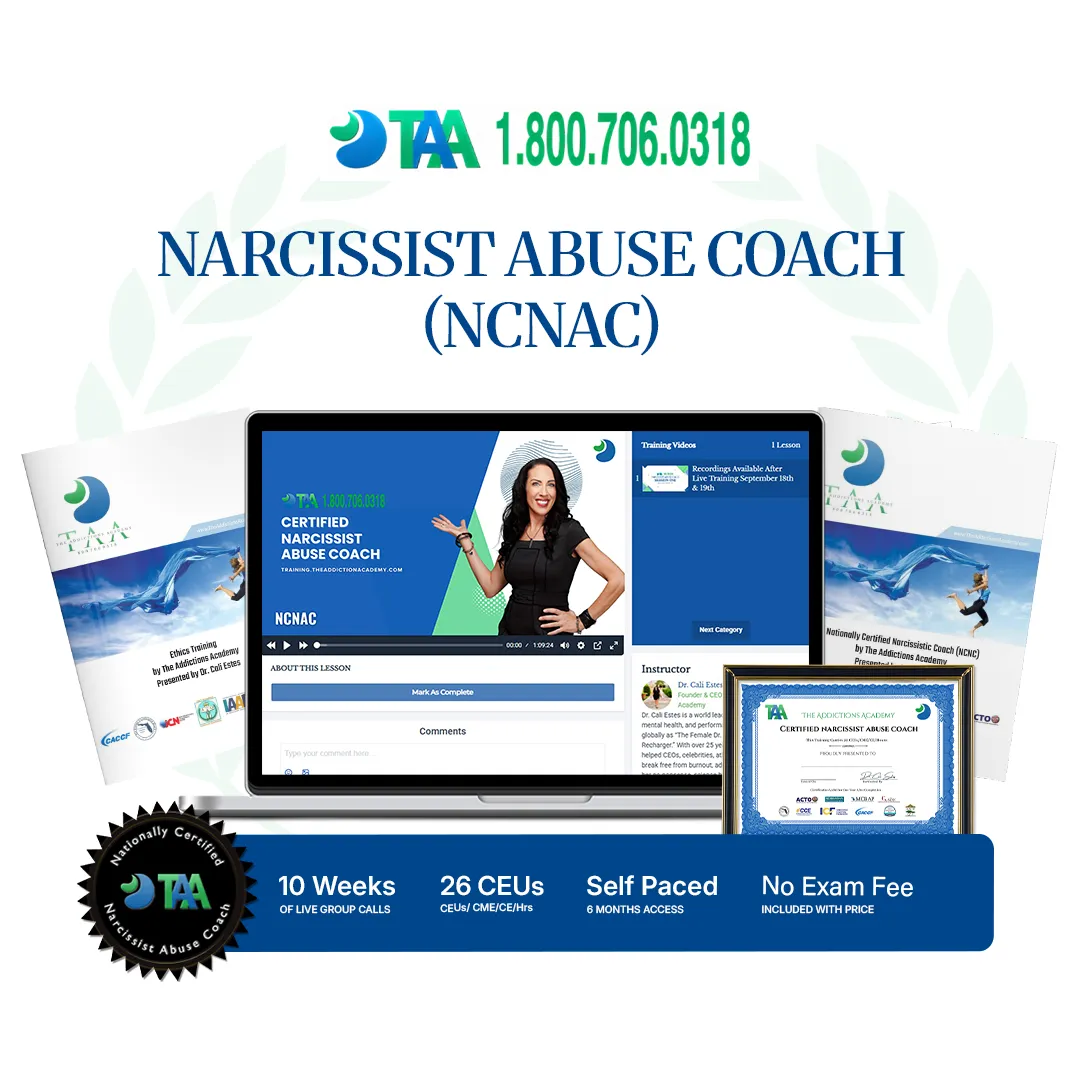
Here's Everything You Get When You Enroll Today:

Nationally Certified Fitness & Wellness Recovery Coach · Counts Towards 26 CEU/CME/CE/Hrs
normally: $2,999

total value: $7,999+

Special Offer: $999

One-time payment · 6mo access · No additional fees

— Self-Paced Online Certification —

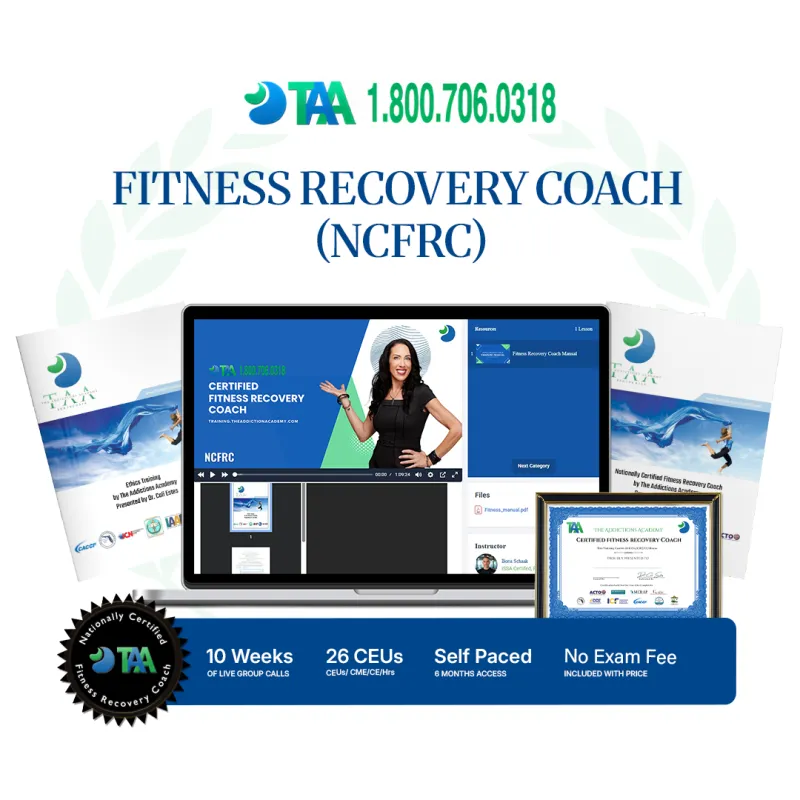
Here's Everything You Get When You Enroll Today:

Nationally Certified Fitness & Wellness Recovery Coach · Counts Towards 26 CEU/CME/CE/Hrs

  • 12 Video Training Sessions Led By Chris Holt

  • Fitness & Wellness Coach Training Manual (200+ Pages)

  • 10 Weeks of Live Group Mentorship with a Master Coach

  • Additional Ethics Course (Bonus 6 CEUs)

  • End-of-Program Examination & Credentialing

  • Marketing Seals + Use of NCFWC Designation

  • 6 Months of On-Demand Access

  • Recovery Coach Workbook (#1 Best Seller On Amazon)

  • Private Graduate & Networking Communities

  • Up To 50% Off Discounts on All Future Certifications
normally: $2,999

total value: $7,999+

Special Offer: $999

One-time payment · Lifetime access · No additional fees

Next Live Group Coaching Call Starts Tuesday @ 10am EST. Self Study Materials Available Immediately Upon Registration
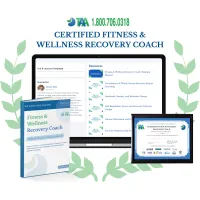
— still have questions about becoming a ncfwc? —

Here's Our Frequently Asked Questions

Or you can call us at 1-800-706-0318 ext 2 | Text us at 323-274-1840 | Email us at [email protected]

A Fitness Recovery Coach helps clients in recovery rebuild healthier routines through movement, nutrition awareness, stress regulation, accountability, and lifestyle structure.

This role is not the same as being a personal trainer, therapist, sponsor, doctor, or dietitian. A Fitness Recovery Coach supports the client’s “other 23 hours” by helping them create realistic standards around sleep, food, movement, stress, environment, accountability, and long-term wellness.

Yes. This certification can help treatment center staff, recovery professionals, case managers, sober companions, wellness staff, and clinical-adjacent professionals better understand how movement, nutrition patterns, stress, sleep, and accountability affect recovery progress.

It gives you a practical framework for supporting clients beyond the session, group, or treatment plan while still respecting scope of practice and referral boundaries.

A coach does not replace therapy, sponsorship, medical care, or clinical treatment. Instead, a coach helps clients apply practical daily structure in real life.

Therapists may focus on clinical treatment, mental health, trauma, diagnosis, or deeper therapeutic work. Sponsors may support recovery through a specific recovery program or peer-based model. A Fitness Recovery Coach focuses on behavior, accountability, wellness standards, movement, food patterns, stress regulation, and follow-through.

No degree or license is required to enroll in this certification. The course is designed for both new students entering the recovery coaching field and current professionals who want to expand their skill set.

Students are responsible for practicing within their state, professional, employment, and ethical guidelines. The course teaches scope of practice so coaches understand when to coach, when to refer, and how to stay within appropriate boundaries.

Earnings vary based on your experience, location, business model, employment setting, client base, and whether you work independently or inside an organization.

Some coaches use this certification to expand their current role in treatment, recovery, wellness, or coaching environments. Others may build private coaching offers, group programs, online coaching services, or add recovery fitness coaching to an existing practice.

The program is self-paced, so completion time depends on your schedule and how quickly you move through the training materials.

Once you enroll, you can begin immediately, work through the curriculum at your own pace, complete the certification requirements, and take the exam when you are ready.

The World’s Premier Training Institute for Mental Health & Addiction Professional Development.

The Addictions Academy Ⓡ

Terms & Conditions | Privacy Policy | SMS Policy

2046 Treasure Coast Pkwy Unit A, #207 Vero Beach FL 32960

Quick Links